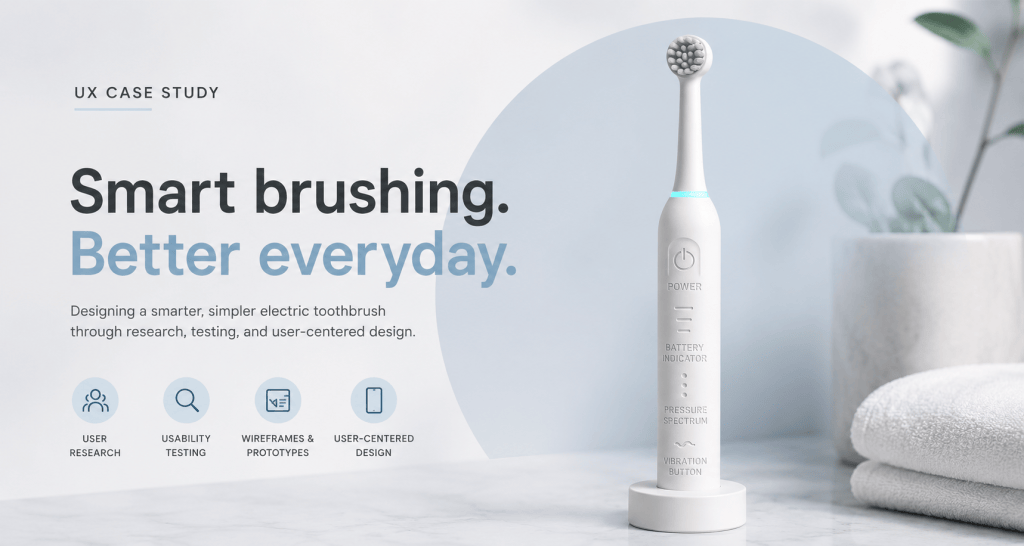
Improving oral hygiene through research-driven product design.

Overview
Good oral hygiene depends on proper brushing technique, yet many people unknowingly develop habits that reduce the effectiveness of brushing or contribute to long-term dental problems. Conversations with dentists and dental hygienists revealed that patients frequently apply either excessive pressure, which can damage gums and enamel, or insufficient pressure, which leaves plaque behind.
This project explored how research, clinical expertise, and usability testing could inform the design of a smart electric toothbrush that encourages healthier brushing habits through intuitive interaction and meaningful real-time feedback.

Project Details
Role
UX Designer & UX Researcher
Platform
Smart Consumer Product
Methods
Stakeholder Interviews, User Research, Contextual Inquiry, Heuristic Evaluation, Persona Development, Journey Mapping, Usability Testing, Low-Fidelity Ideation, Prototyping
Tools
Figma, FigJam, Adobe Illustrator

The Challenge
Although electric toothbrushes offer advanced features, many users struggle to interpret feedback or understand how to use them effectively. As a result, they often continue brushing with poor technique despite using a smart device.
Discussions with dental professionals highlighted recurring issues in patient behavior. Excessive brushing pressure was one of the most common concerns, contributing to gum recession and enamel wear. Others applied too little pressure, reducing the effectiveness of plaque removal. Users also reported uncertainty when switching brushing modes, interpreting battery status, and understanding whether they were brushing correctly.
The challenge was to design an experience that supports proper brushing technique while remaining simple, intuitive, and easy to learn.

Goal
The goal was to design a smart brushing experience that helps users build healthier oral hygiene habits through intuitive feedback and thoughtful interaction design. The solution aimed to encourage proper brushing pressure, simplify product controls, improve awareness of brushing duration, and increase user confidence without adding unnecessary complexity.

Research
Research Objectives
The research sought to understand both the clinical challenges observed by dental professionals and the everyday experiences of people using electric toothbrushes. Combining these perspectives helped identify opportunities where thoughtful interaction design could improve brushing behavior and overall oral health.
Stakeholder Research
The research began by speaking with dentists and dental hygienists to better understand the challenges they repeatedly observe during patient appointments. These conversations provided valuable clinical insight into common brushing mistakes and the difficulty many patients have maintaining healthy brushing habits.
Professionals consistently described excessive brushing pressure as one of the leading causes of gum irritation and enamel wear, while others emphasized that many patients fail to apply enough pressure to effectively remove plaque. They also explained that users often misunderstand brushing modes and receive too little feedback from existing products to recognize when they are brushing incorrectly.
User Research
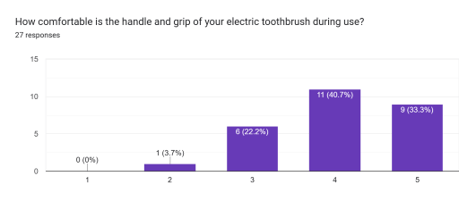
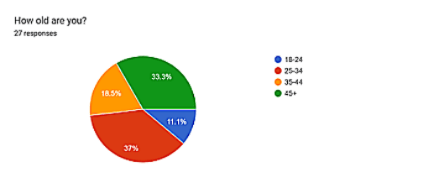
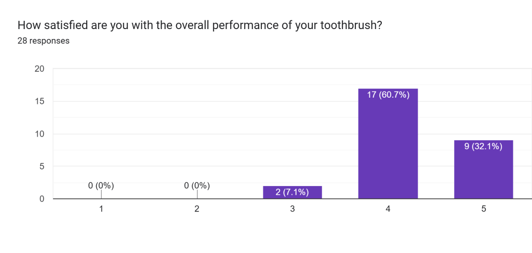
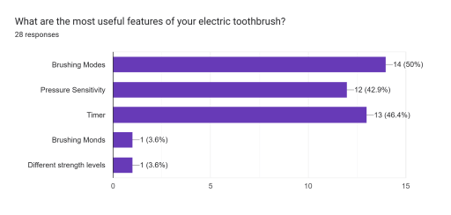
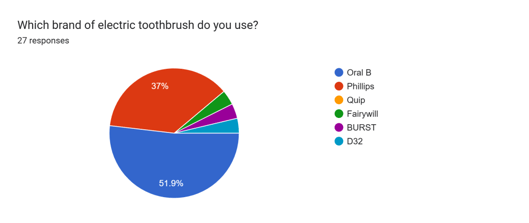
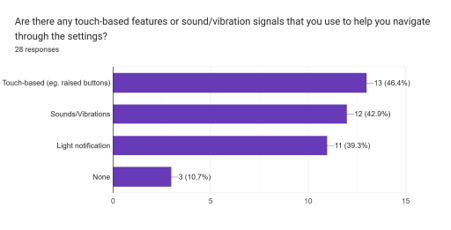
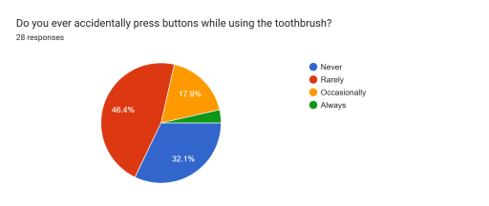
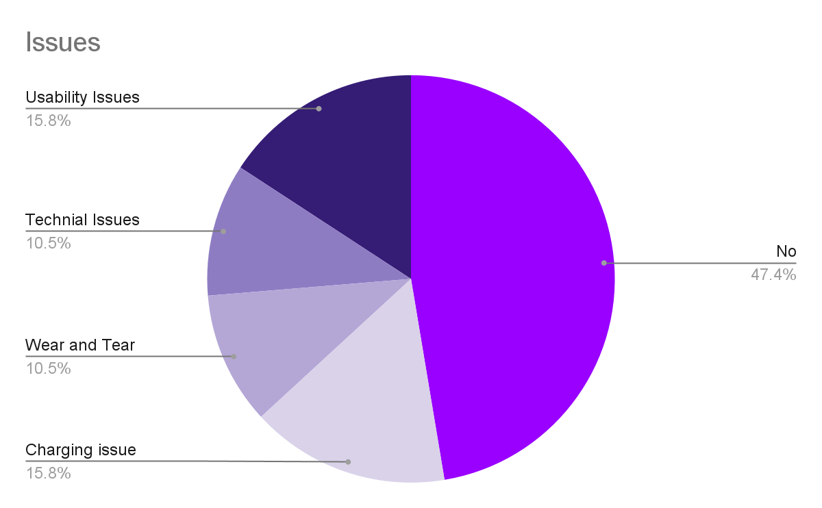
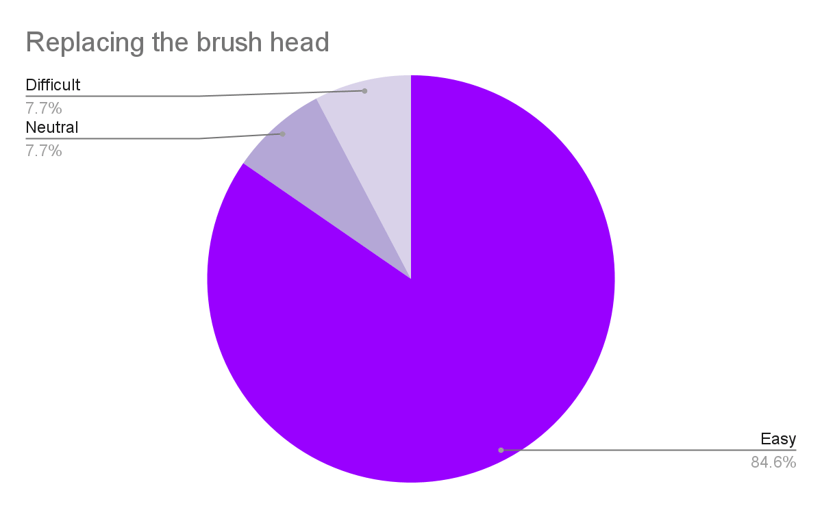
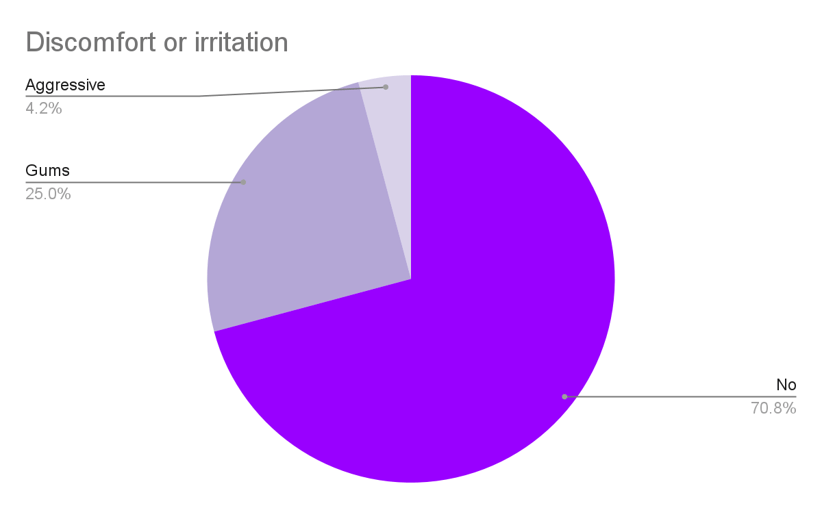
To complement the clinical perspective, user research explored how people naturally interact with electric toothbrushes in their daily routines. Participants discussed their brushing habits, expectations for smart features, confidence while brushing, and frustrations with existing products.
Comparing user behavior with professional recommendations revealed several opportunities where improved interaction design could encourage healthier brushing habits without increasing cognitive load.

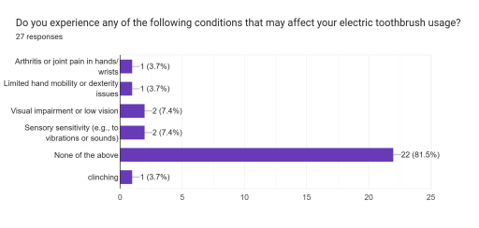
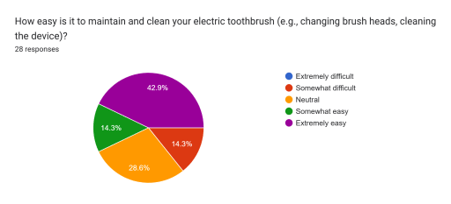
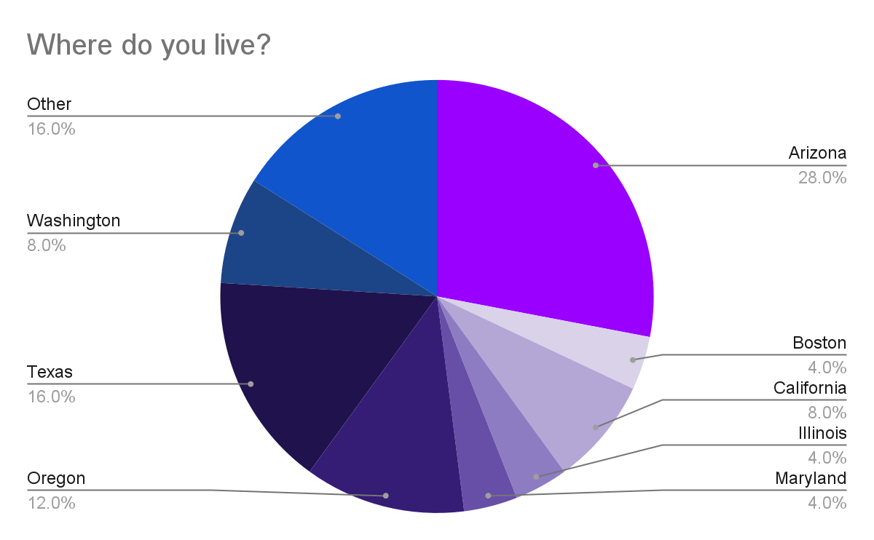
Survey Results

Personas
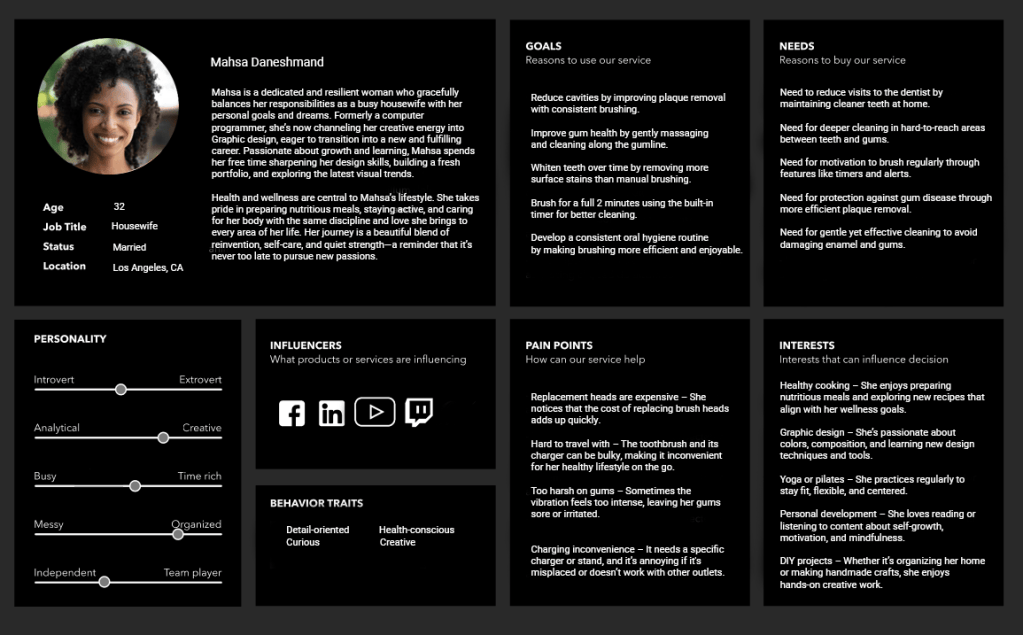
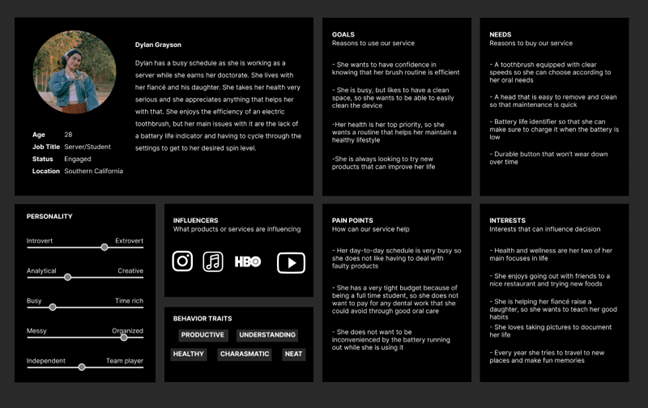
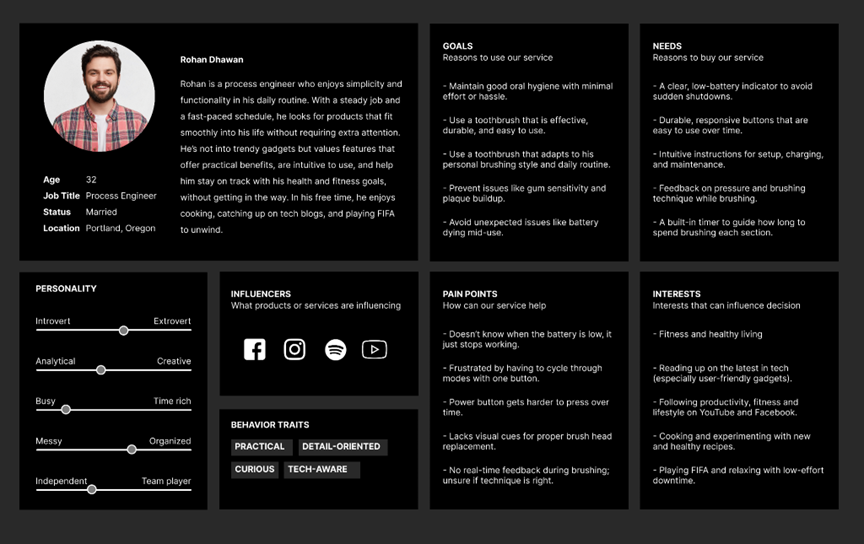
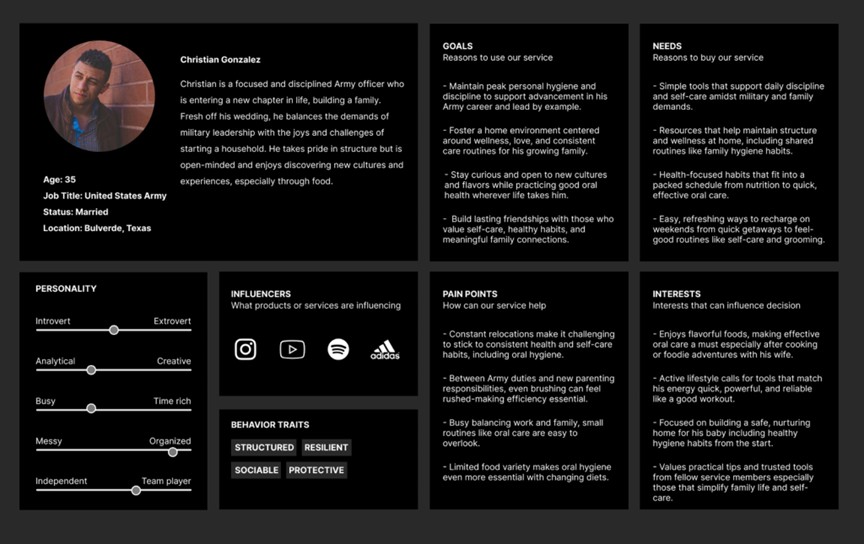
Insights gathered from research were synthesized into personas representing different brushing behaviors, experience levels, and oral health needs. These personas guided design decisions throughout the project and ensured the final solution addressed a diverse range of users.
Journey Mapping
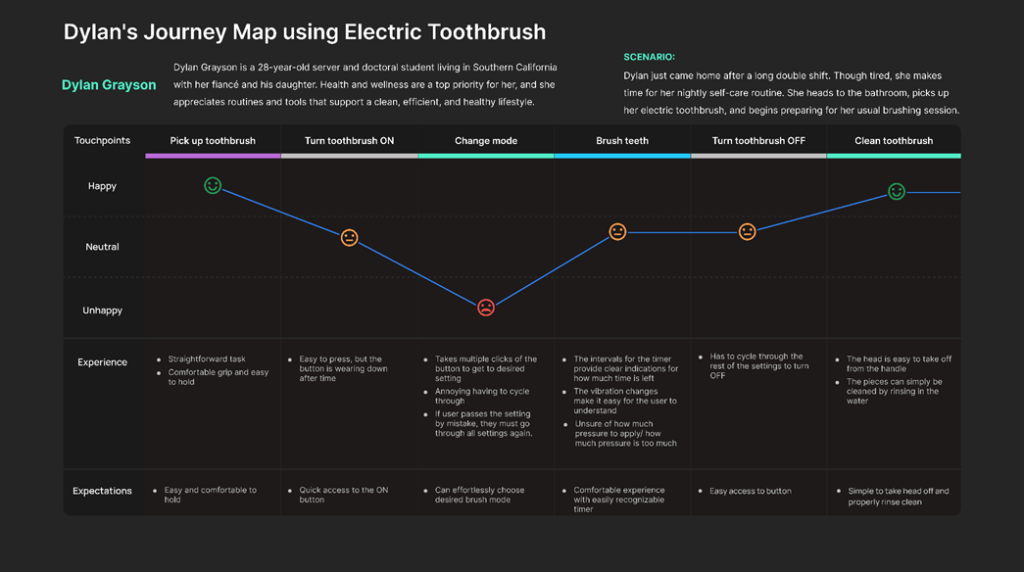
The complete brushing experience was mapped from the moment users picked up the toothbrush until the end of their brushing session. This exercise revealed moments of uncertainty, hesitation, and missed opportunities for feedback while identifying areas where the product could better support users throughout their routine.

Key Findings
Research uncovered several recurring themes across both professional interviews and user observations.
Many users unknowingly brushed with excessive force, increasing the risk of long-term damage to their gums and enamel.
Others consistently brushed with insufficient pressure, reducing cleaning effectiveness without realizing it.
Participants expected more meaningful real-time feedback to help them recognize and correct improper brushing technique.
Many users also struggled to understand brushing modes and desired a simpler, more intuitive interaction.

Design Strategy
The design focused on transforming research insights into interactions that naturally guide users toward healthier brushing habits. Rather than adding more features, the emphasis was placed on making essential feedback easier to understand and encouraging proper technique through clear communication and intuitive controls.

Design Solution
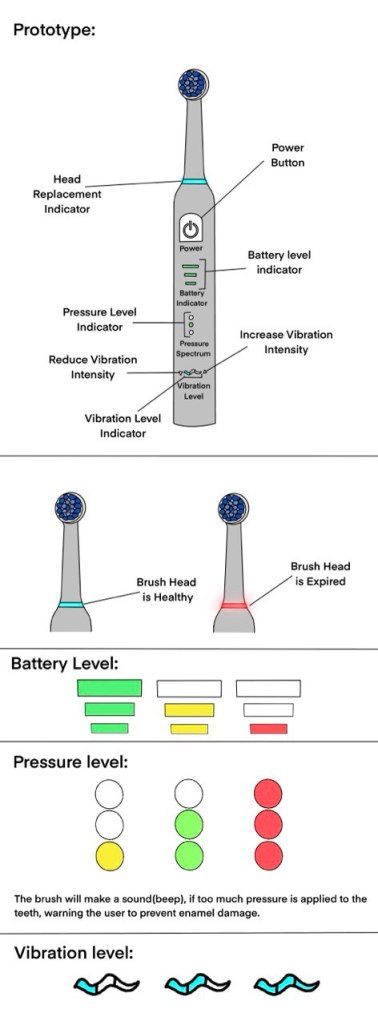
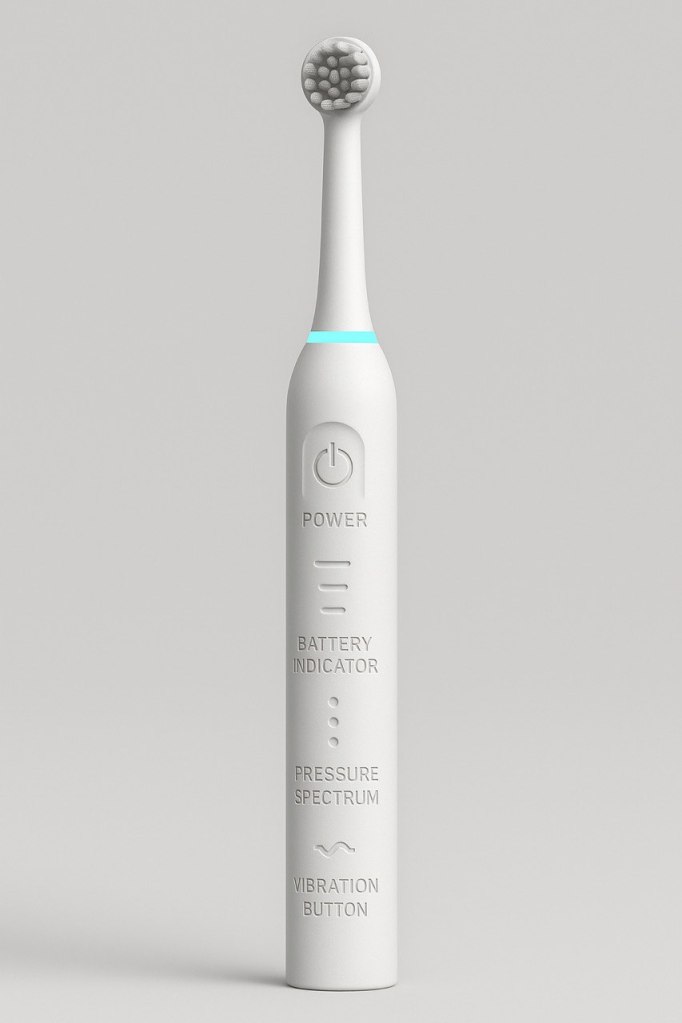
The redesigned concept introduced clearer pressure feedback to help users immediately recognize when they were brushing too hard or too softly. Controls were simplified to make switching brushing modes more intuitive, while improved visual indicators increased awareness of battery status and system feedback. Together, these improvements created a brushing experience that felt easier to understand, more supportive, and better aligned with recommendations from dental professionals.

Prototypes
Low-Fidelity Prototype (Concept Sketches)
High Fidelity Prototype

Usability Testing
The redesigned prototype was evaluated through task-based usability testing to understand how effectively the new interactions supported users during a complete brushing session. Participants completed common tasks while observations focused on learnability, efficiency, confidence, and overall satisfaction.
The results demonstrated that the redesigned experience reduced confusion, improved confidence, and helped users better understand how to interact with the toothbrush throughout their daily routine.
Final Outcome
By combining clinical expertise with user-centered research, this project demonstrates how thoughtful interaction design can influence everyday health behaviors. The final concept supports healthier brushing habits through intuitive feedback, simplified interactions, and research-informed design decisions that make proper oral care easier to achieve.
 Sara Cornell
Leave a comment